Nobody wants to spend a Texas summer trapped indoors because the backyard is unbearable. The good news is that a little preparation goes a long way — and most of it costs nothing but time. Whether you plan to handle mosquito control yourself or bring in a professional, the steps you take before peak season can make a real difference in how bad your yard gets.
This guide walks you through exactly what to do to get your property ready, what the pros look for that most homeowners miss, and how to know when it is time to move beyond DIY.
Step 1: Eliminate Every Source of Standing Water
If there is one thing every mosquito expert will tell you, it is this: eliminate standing water. Nothing else you do will matter as much as this single step.
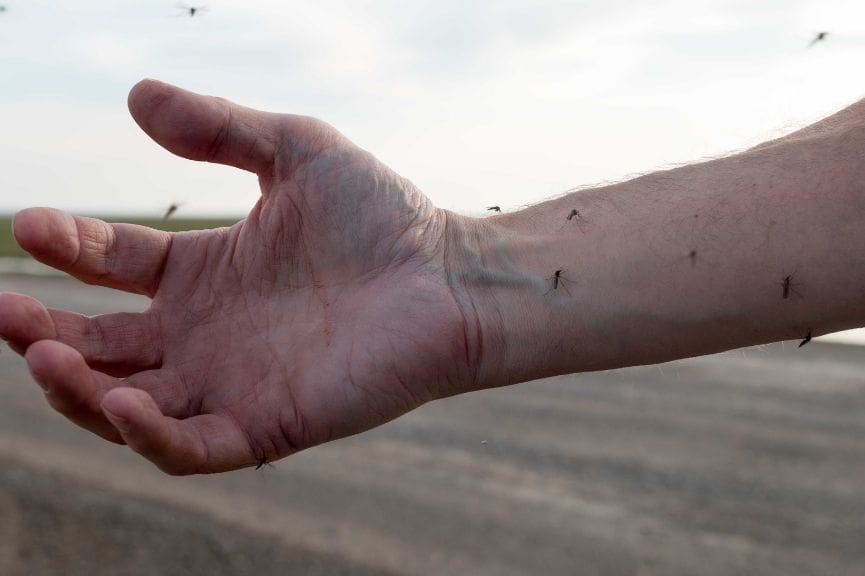
Female mosquitoes lay their eggs in standing water, and they do not need much of it. A bottle cap of water can support a batch of eggs. A clogged gutter can produce hundreds of adult mosquitoes over the course of a single season. The more breeding sites you eliminate around your home, the fewer mosquitoes you will have — it is that direct.
Walk your entire property once a week during mosquito season and address the following:
Gutters: Clogged gutters are one of the single most productive mosquito breeding sites on any residential property. Water held in packed leaves and debris can sit for days after a rain. Clean your gutters before the season starts and check them after every major storm.
Containers: Any container that can hold water is a potential breeding site. Flowerpots and their saucers, buckets, recycling bins, old tires, wheelbarrows, and kids’ toys all qualify. Either empty and turn them upside down or bring them indoors.
Birdbaths: These are commonly overlooked because they seem intentional and harmless. A birdbath that is not refreshed at least twice a week becomes a mosquito nursery. Consider adding an agitator or fountain feature — mosquitoes need still water to lay eggs.
Low spots in the lawn: Grading issues that cause water to pool after rain are more than a lawn care problem. If your yard has spots that stay wet for several days after a storm, those are active breeding sites. Improving drainage in those areas is a worthwhile long-term investment.
Water features: Ornamental ponds and water gardens can be treated with mosquito larvicides (like Bti dunks) that are safe for fish and wildlife but kill mosquito larvae before they mature.
Step 2: Tackle Your Landscaping
Mosquitoes are not just a breeding problem — they are also a resting problem. Adult mosquitoes spend most of their time resting in cool, shaded, humid spots: tall grass, dense shrubs, under decks, along fence lines, and in areas of overgrown vegetation.
Reducing these resting habitats gives mosquitoes fewer places to shelter between feedings and can noticeably reduce how many you encounter in your yard.
Before mosquito season peaks, take care of the following:
- Mow your lawn regularly and keep grass trimmed short, particularly along the edges of the property
- Trim back dense shrubs and ornamental plants, especially those close to the house, patio, or seating areas
- Clear brush and leaf litter from fence lines and corners of the yard
- Thin out any areas of overgrown vegetation near drainage ditches or low spots
- Remove ivy or other dense ground cover near areas where people gather
None of this will eliminate mosquitoes entirely, but combined with standing water removal, it significantly reduces the population that can establish itself on your property.
Step 3: Protect Your Home’s Entry Points
Culex mosquitoes — the primary carriers of West Nile virus in Texas — are most active from dusk through dawn. That means evenings are when they are most likely to find their way inside your home if you give them the opportunity.
Walk the exterior of your home and check every screen on every window and door. Even a small tear or gap can let mosquitoes in. Replace or repair any damaged screens before summer arrives.
If you use a swamp cooler or have any other ventilation openings to the exterior, make sure they have screens installed and in good condition. Check around door frames and window frames for gaps where weatherstripping has worn away.
Step 4: Know What Actually Works and What Does Not
There is no shortage of mosquito control products on the market, and many of them are heavily marketed without delivering meaningful results. Here is an honest breakdown:
What works: Mosquito dunks and larvicide products for standing water you cannot drain. These are genuinely effective and safe for use around pets, children, and wildlife when used as directed.
What works with limitations: Oscillating fans outdoors. Mosquitoes are weak flyers and a fan blowing across a patio or seating area disrupts their ability to land. It will not keep them away completely, but it helps.
What is overstated: Citronella candles and torches. These create a small zone of mild deterrence — maybe a couple of feet in calm air. Outdoors in Texas heat, they are largely symbolic.
What does not work on mosquitoes: Bug zappers. They attract and kill moths, beetles, and other insects that are far less of a nuisance, while doing almost nothing to reduce mosquito populations. Mosquitoes are not attracted to UV light the way other insects are.
What delivers the best results: A professionally applied barrier spray that treats the vegetation and resting spots around your property. When combined with the standing water elimination steps above, a professional treatment program is the most effective approach available for most residential properties in Central Texas. Read more about what different professional treatment methods involve and which one is right for your yard.
Step 5: Decide When to Call a Professional
There is no shame in handling mosquito prep yourself — and the steps above will genuinely help. But there are situations where professional mosquito control is the right call, and knowing where that line is will save you time, money, and frustration.
Consider calling a professional if:
- Your property borders a creek, drainage ditch, or the river corridor
- Standing water on your property cannot be fully drained or treated
- You have completed the DIY steps and mosquito pressure remains high
- You are hosting an outdoor event and need reliable results by a specific date
- You want season-long protection without having to manage it yourself
Camo Pest Control serves New Braunfels, Seguin, San Marcos, Canyon Lake, Garden Ridge, Cibolo, La Vernia, and the surrounding Comal County area. We provide yard assessments, one-time treatments, and full-season mosquito programs customized to your property and schedule.
Call today for pest control in New Braunfels to get your yard ready before peak season arrives. You can also review the Texas mosquito season timeline to understand what months carry the highest risk, or compare professional and DIY mosquito control side by side to decide what approach fits your situation best.